 You can see it again
Under pressure people bring back shapes and positions long after the wording has gone.
Picture superiority · Shepard 1967, Standing 1973 Examers.io
 PMI
PMIThe PMI Professional in Business Analysis (PMI-PBA) certification validates your expertise in defining requirements, engaging stakeholders, and driving successful business outcomes. It is designed for business analysts who work with project teams to bridge the gap between strategic objectives and project deliverables. Earning the PMI-PBA demonstrates your ability to apply a structured, standards-based approach to business analysis, enhancing your credibility and career potential.
Content last reviewed 30 July 2026 · Up to date
What this certification covers, who it is written for, and what the exam itself looks like on the day.
What it validates, who it is written for, and the experience it assumes.
The PMI Professional in Business Analysis (PMI-PBA) certification recognizes professionals who possess the specialized knowledge and skills to effectively perform business analysis within the context of projects and programs. It validates your ability to work with stakeholders to elicit, analyze, and define requirements, ensuring that project outcomes align with organizational goals. This credential is built on PMI's standards, providing a globally recognized framework for business analysis practice.
Earning the PMI-PBA demonstrates your proficiency across the full spectrum of business analysis, from needs assessment and requirements management to solution evaluation. It signals to employers that you can bridge the gap between business needs and project execution, reducing risk and increasing the likelihood of project success. The certification is ideal for practitioners who are ready to formalize their experience and advance their careers in this critical discipline.
This certification is for business analysts, business analysis managers, and project or program managers who are responsible for defining requirements and ensuring that project outcomes deliver business value. It is also suited for professionals who work closely with stakeholders to identify needs and shape project scope. Candidates typically have hands-on experience in requirements gathering, stakeholder engagement, and solution assessment. They are looking to formalize their expertise with a globally recognized credential that demonstrates their ability to apply a structured business analysis framework.
A secondary degree (high school diploma, associate's degree, or global equivalent) with 7,500 hours of business analysis experience, or a bachelor's degree (or global equivalent) with 4,500 hours of business analysis experience. In both cases, 35 contact hours of education in business analysis practice is also required. Experience in eliciting, analyzing, and documenting requirements; Experience in stakeholder engagement and communication; Experience in defining and managing product scope; Experience in solution evaluation and validation
Every domain and objective PMI measures, with the weight they carry on the exam.
The official PMI exam outline · checked 30 July 2026 · See the source
Everything PMI publishes about sitting it, and nothing we inferred.
A secondary degree (high school diploma, associate's degree, or global equivalent) OR a bachelor's degree (or global equivalent).
The path PMI lays out, how the credential is kept, and where to book.
Step-by-step path to PMI Professional in Business Analysis
Credential earnedPMI Professional in Business Analysis Professional level certificationThe PMI-PBA certification is valid for three years. To maintain it, you must earn 30 Professional Development Units (PDUs) in the business analysis topic area during each three-year cycle. Stay current with the latest technologies and maintain your certification.
Learn more about renewal requirementsThis certification is currently active and available. PMI maintains this certification to validate current skills and industry relevance.
Register for the exam through PMI, PMI’s authorized testing partner.
Schedule your examVisit the official PMI certification page for exam policies and requirements.
View the official pageYour coach in the app reads what you have answered with the book closed and tells you one thing to do tonight. It will not count an answer you gave with the page open, and it will tell you when you are not ready.
See how the coach worksThe PMI-PBA focuses specifically on business analysis, while the PMP focuses on project management. They are separate certifications, and you do not need one to earn the other. However, they can complement each other for professionals who manage both the business analysis and project management aspects of their work.
No. The PMI-PBA exam consists entirely of multiple-choice questions. There are no hands-on labs or performance-based simulations.
If you do not pass the exam on your first attempt, you can retake it. You must wait at least 30 days after your first failed attempt to retake it. After a second failed attempt, you must wait 90 days before your next attempt.
The PMI-PBA is designed for professionals in roles such as Business Analyst, Business Analysis Manager, Product Owner, and Project or Program Manager who are responsible for defining requirements and ensuring project outcomes deliver business value.
No. The PMI-PBA certification must be maintained by earning 30 PDUs in the business analysis topic area every three years. Passing another PMI exam does not automatically renew this credential.
Every domain, every objective, and every concept PMI measures — each one written out.
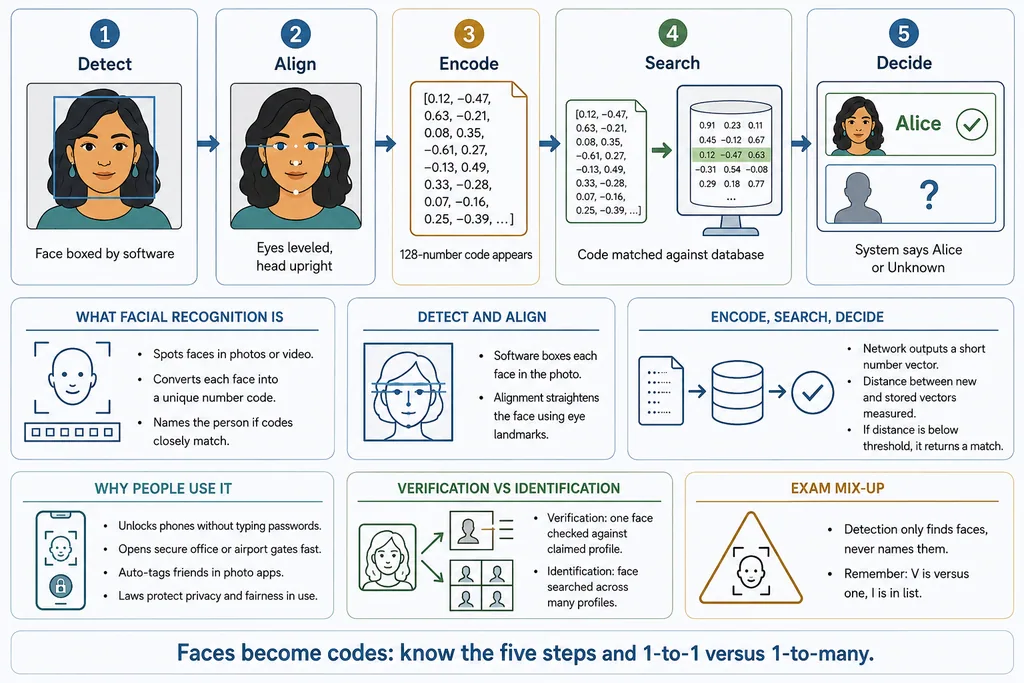
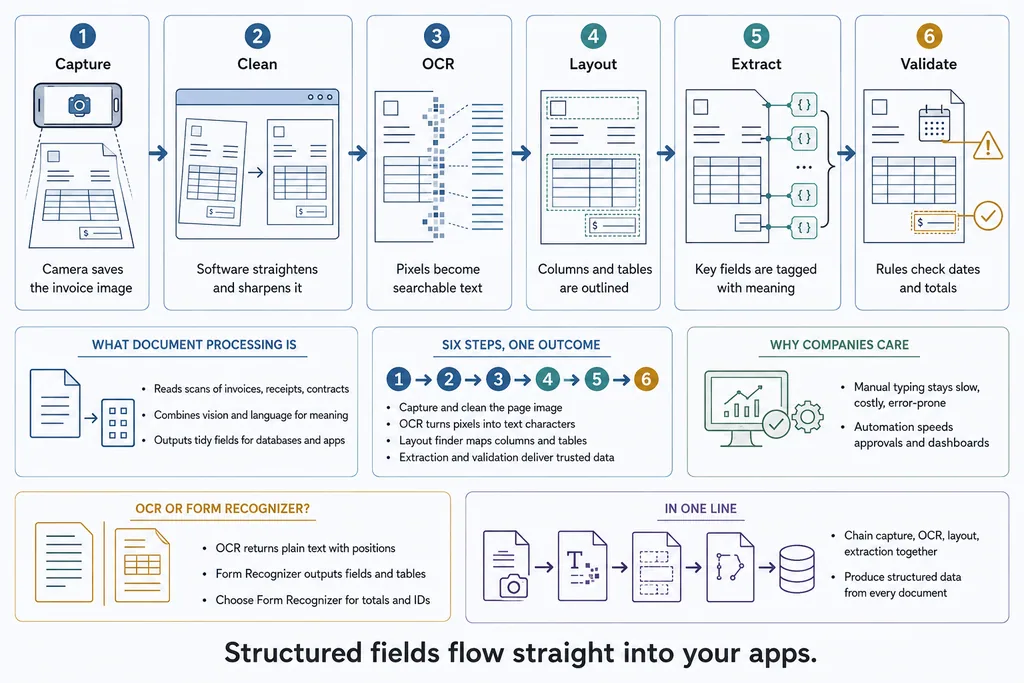
Every objective below is a page you can open and practise now, without an account.
The official PMI exam outline · checked 30 July 2026 · See the source
In front of every objective the practice pages are already there, free and without an account. This is one objective, opened.
35 questions on this objective, five to a page. Every range above is a real page, open now, with no account.
The curriculum tells you what is on the exam. Proving you know it is a different job — and it is the one the closed-book run does.
The whole bank is open. 5 questions to a page, every answer explained, and a discussion thread on each one.
Every objective, and every page range, is a link — so you can pick up exactly where you left off.
Short enough to finish, long enough to matter.
Not only which one is right — why the others are wrong.
Ask, answer, and vote. Every question has its own thread.
These are not trivia. Each one is written against a concept in the book, so when you get one wrong there is somewhere to go and find out why.
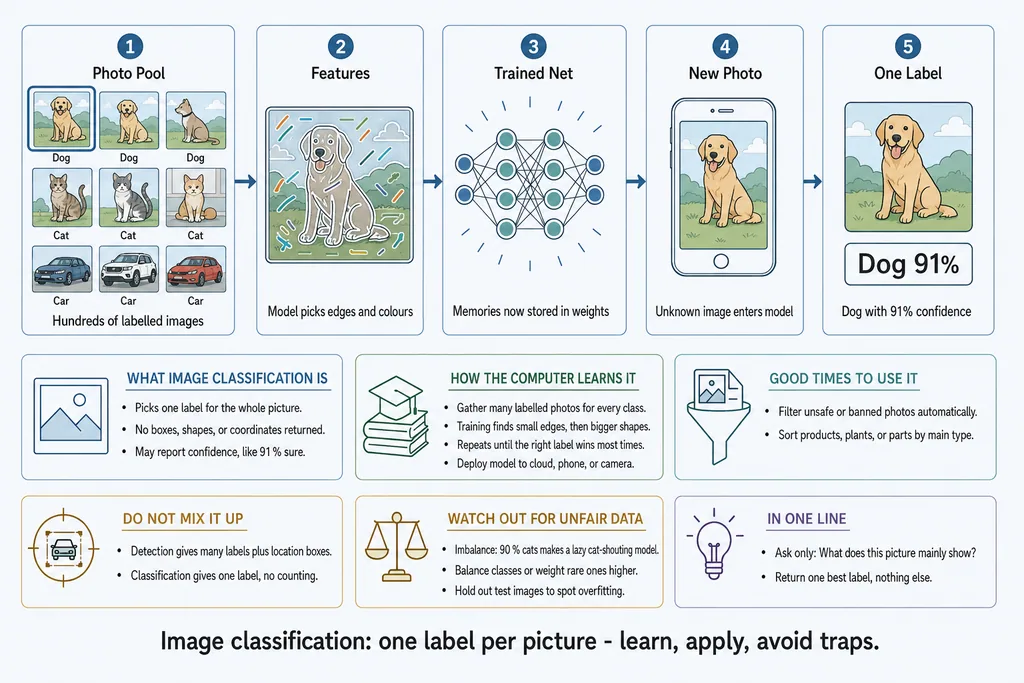
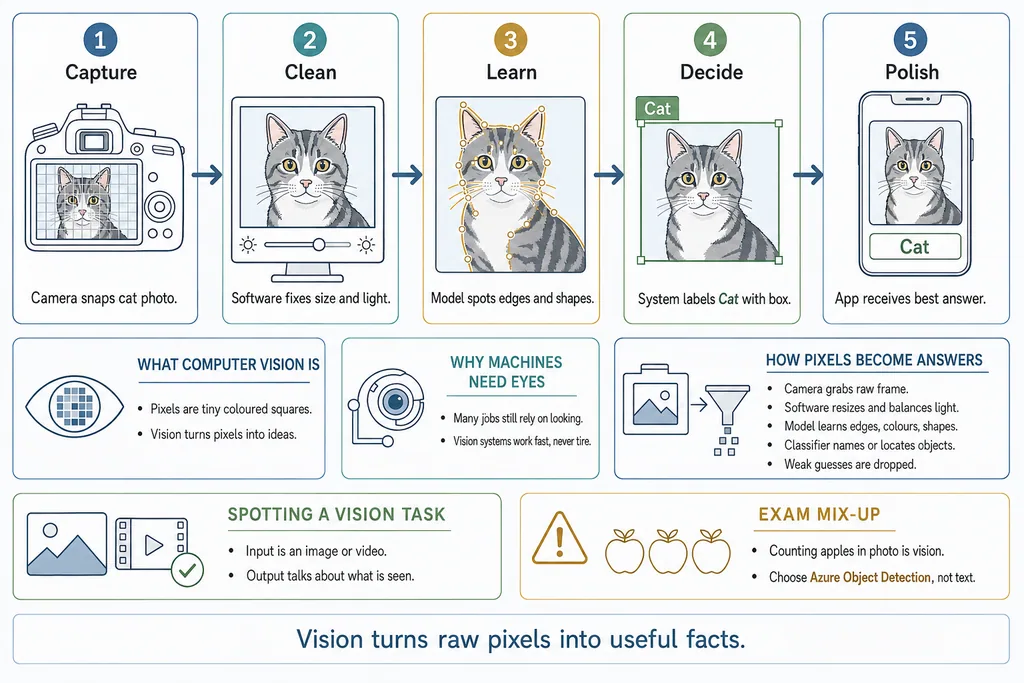
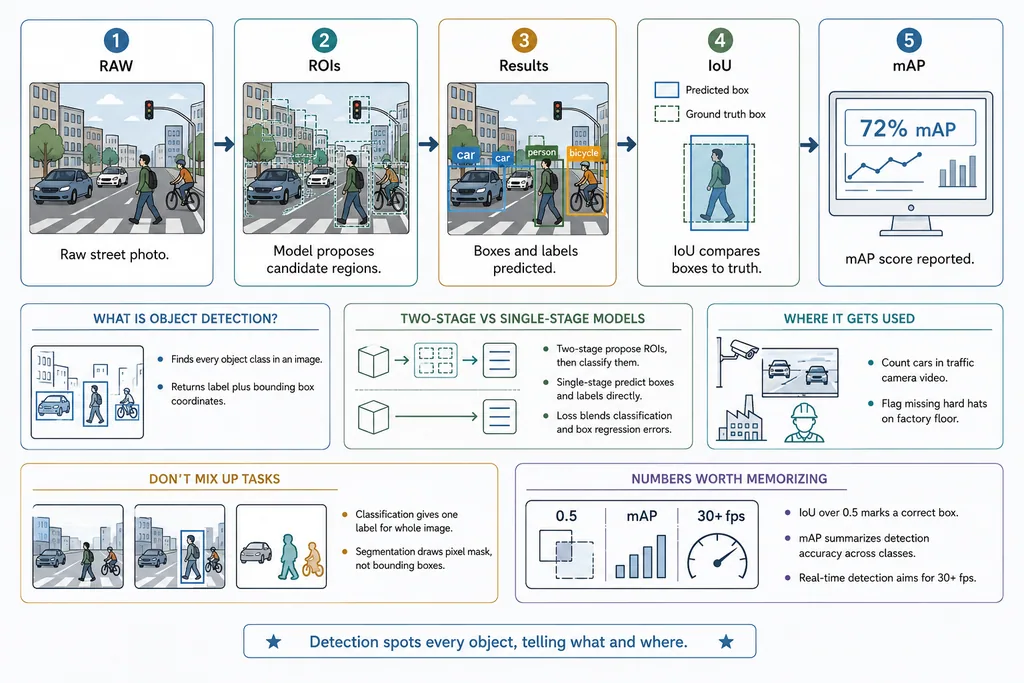
The pages shown here come from our AI-900 book — an example of how each concept is written in plain language and, where the idea needs one, drawn as a full page you can take in at a glance.
Three reasons, and each one is a real finding rather than a slogan.
You can see it againUnder pressure people bring back shapes and positions long after the wording has gone.
Picture superiority · Shepard 1967, Standing 1973The whole idea at onceWhere it starts, what happens in the middle, what comes out, and the mistake to avoid.
Multimedia principle · MayerThe look-alikes sit togetherThe pairs the exam tests are drawn side by side, so the difference is seen, not told.
Dual coding · PaivioYou are never asked to read a poster here — only to see how one is built. After that, every other page is legible at a glance.
The idea as a sequence, followed with a finger before a word is read.
What it is, how the machine learns it, when it is the right tool.
The distinction the exam tests, given its own box instead of buried in prose.
The sentence to carry into the exam room.
This is the part that teaches. The illustration and the written explanation stay where they are while you work, so a scenario stops being a memory test and becomes something you can simply look at.
A smartphone uses AI to unlock when the owner looks at the camera. Which AI capability is being used?
The same questions come back with the book closed — that run is the one that counts. After it, your coach picks one thing for tonight, sized to the time you have, and brings pages back before you lose them.
Testing effect · Roediger & Karpicke 2006 · spacing effect · Cepeda et al. 2006
Straight from PMIWhere the exam is defined, scheduled and scored.
We link to them rather than repeat them, so nothing here goes stale behind them.
We build from the official skills outline, not from a summary of it — 28 objectives, 189 concepts written under them, and free questions against every one. When PMI changes the outline, this page changes with it.
That is the only question worth answering the night before, and no link answers it. You answer it by taking the questions with the book closed, and seeing what comes back.